Storm and leak entry
Roof entry, upstairs plumbing, and appliance leaks are traced down through ceilings and wall cavities.
Knoxville & East Tennessee · 24/7
Roof leaks, burst pipes, appliance failures, and crawl-space water move fast through framing, subfloor, and insulation. Call and tell us what you found — we start with the source and the rooms it reached.
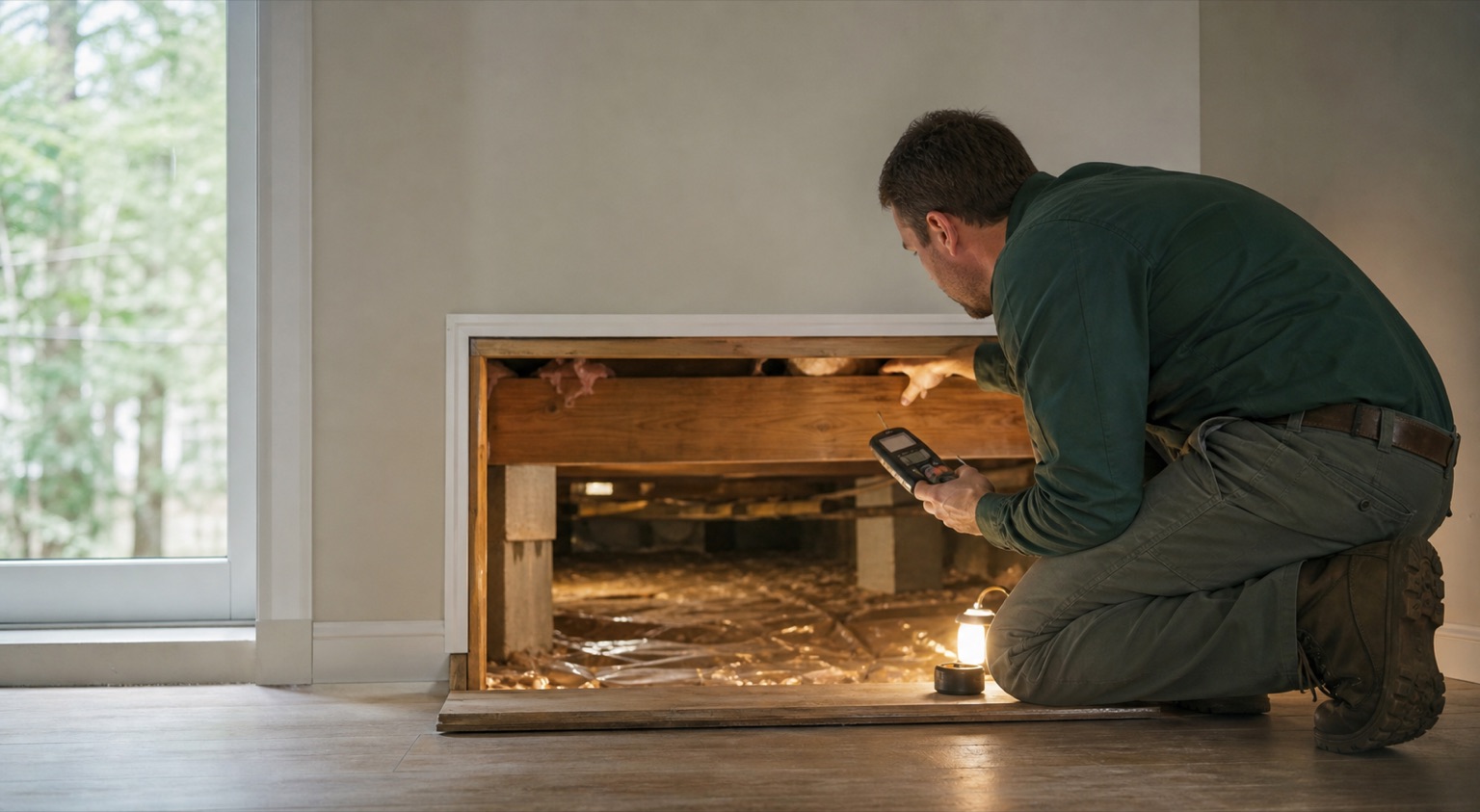
Crawl-space and lower-level moisture is checked first — it hides the longest.
What happens after you call
Share the source, when you noticed it, the rooms involved, and any safety concern. The call sets the first priorities.
The visible wet edge is a starting point. We check the crawl space, subfloor, wall bases, cabinets, and connected rooms.
Extraction, airflow, and dehumidification are matched to the materials involved — not a preset equipment package.
Moisture readings, photos, and material decisions become a clear record for repairs and the insurance claim.
Complete water-damage services
The same team follows the loss from the first wet room to a repair-ready property, so nothing gets dropped between contractors.
Roof entry, upstairs plumbing, and appliance leaks are traced down through ceilings and wall cavities.
We check wall bases, behind cabinets, and insulation where water can hide before a stain appears.
Flooring, subfloor, and framing are dried with airflow, dehumidification, and repeated moisture checks.
Standing water is removed from crawl spaces, basements, and lower levels before it spreads further.
Affected surfaces and belongings are cleaned based on the water source and the condition found.
Photos, moisture records, and scope notes are organized for the adjuster and the repair plan.
East Tennessee conditions
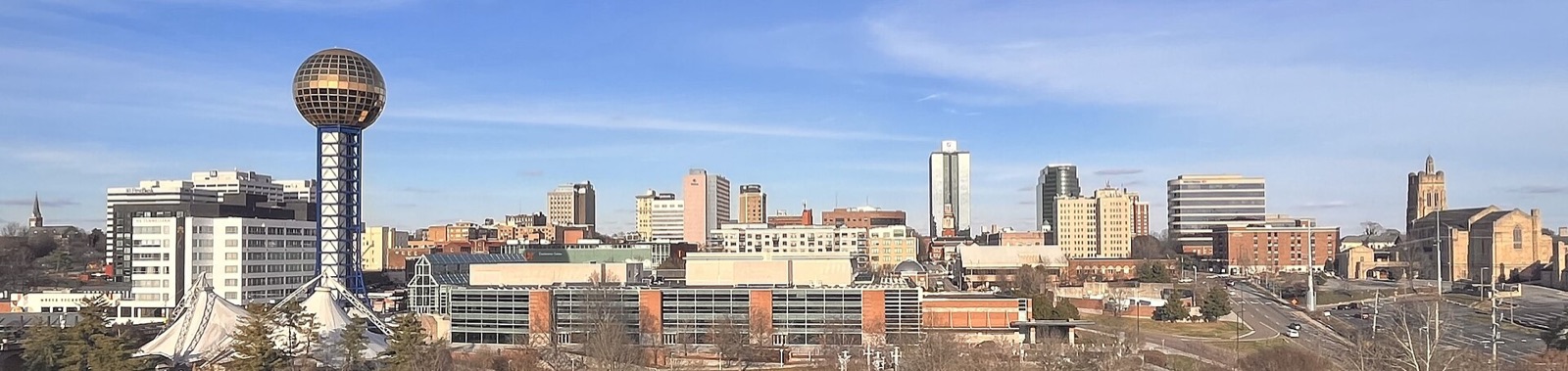
Hilly lots, heavy seasonal rain, and older crawl-space construction give water more ways to enter and more places to sit. Moisture can work on a home from below long before anything shows upstairs.
How this crew works
Insurance coordination
The insurance carrier controls coverage, approvals, deductibles, and payment. The restoration record helps explain the property — it does not promise the claim result.
From first call to repair-ready
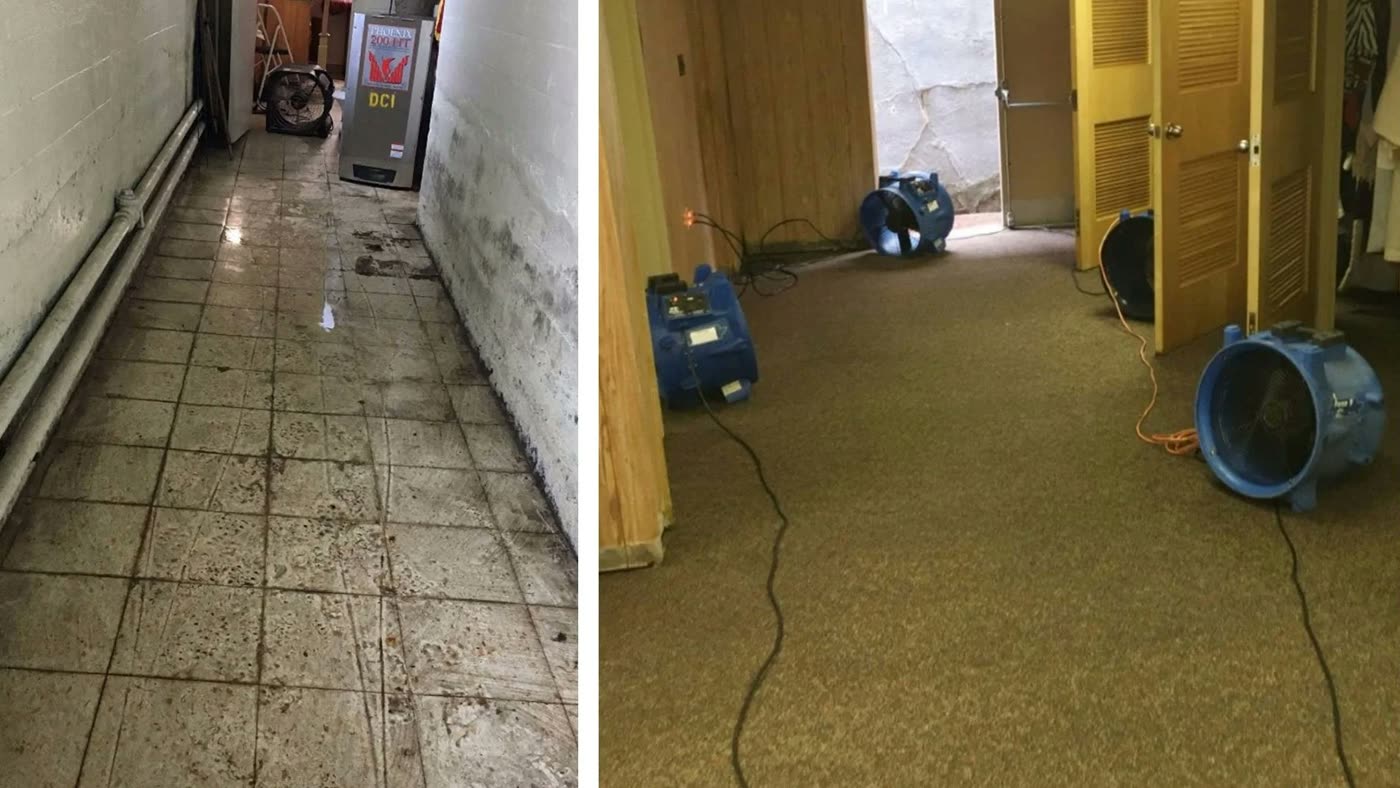
The response stays with one accountable team, so you are not rebuilding the plan with the next contractor. Water removal, hidden-moisture checks, structural drying, cleaning, contents decisions, and documentation stay connected.
Start the response — (865) 415-5832Owner questions
Yes. Crawl-space moisture can affect insulation, subflooring, framing, flooring, and indoor conditions before a visible symptom appears upstairs.
A sump system addresses certain groundwater conditions. Wall entry, plumbing leaks, appliance failures, drain issues, or water entering above the slab may follow a different route.
Keep safe photographs of the source and visible damage, note timing, and avoid discarding affected materials before discussing documentation needs with the carrier.
Not automatically. The water source, materials, access, condition, and measured moisture boundary all affect cleaning, drying, and removal decisions.
Avoid unsafe electrical areas, contaminated water, unstable ceilings, and unrecorded demolition. Photograph conditions and get guidance before opening assemblies or discarding materials.
Yes. The response can cover water removal, hidden-moisture checks, structural drying, cleaning, contents decisions, documentation, and repair planning so the work stays connected.
Yes. The team can organize photos, moisture information, affected-material notes, and scope details, and can speak with the adjuster when requested. The insurance carrier decides coverage and payment.
Call as soon as the area is safe. Early source control, water removal, and moisture checks may limit how far the damage spreads and give the team a clearer starting point.
Tell us what happened